Roof Restoration
7 signs your Brisbane roof needs restoration
Queensland sun, storms and salt air are hard on a roof. Here's how to tell when yours needs attention — before small issues become expensive repairs.
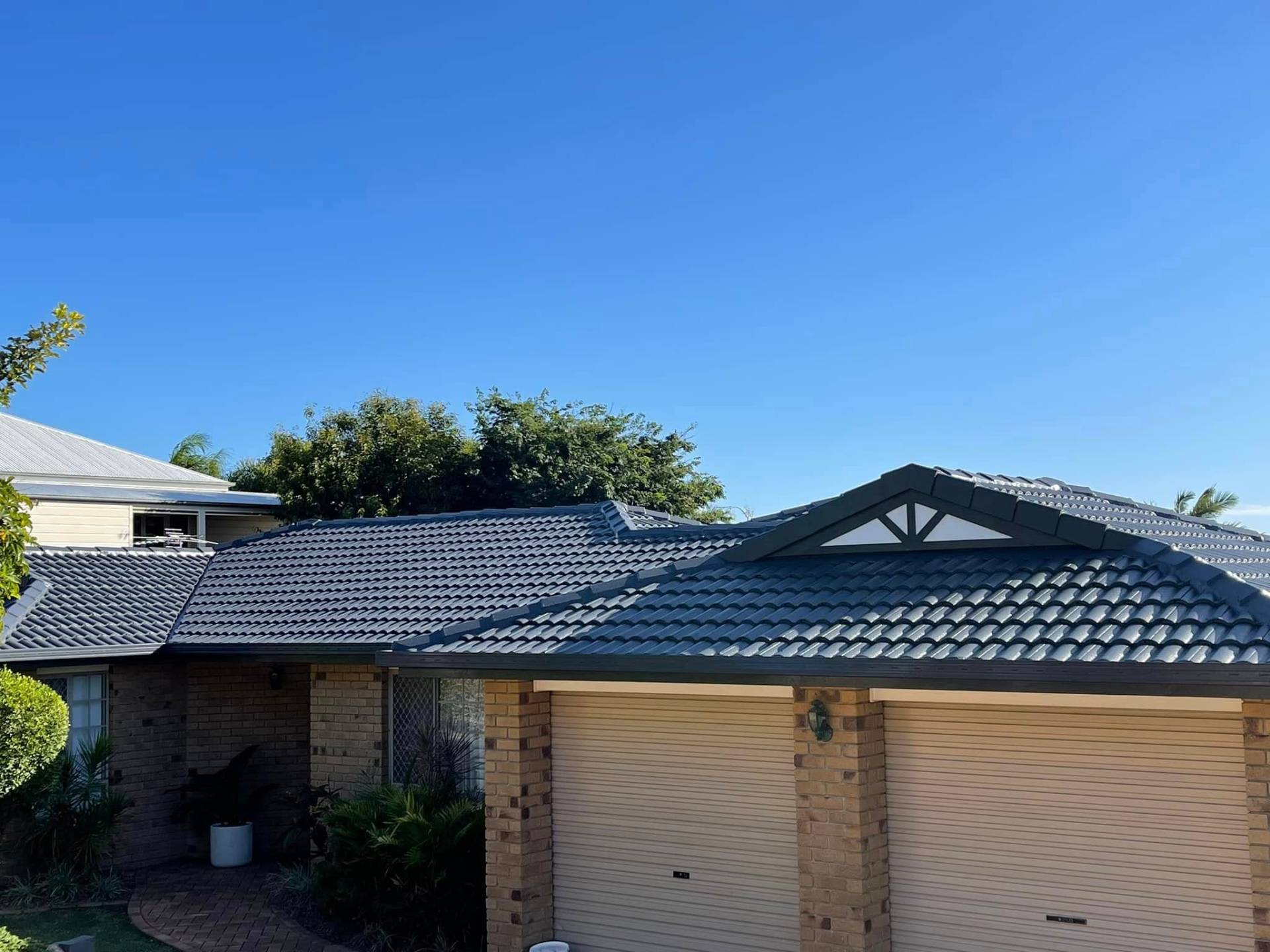
A roof rarely fails overnight. It fades, cracks and lets go slowly — and by the time you see a stain on the ceiling, the damage underneath has usually been building for a while. These are the signs we tell Brisbane homeowners to watch for.
1. Faded, chalky or patchy colour
UV breaks down the surface coating first. If your tiles look washed out, or a chalky residue comes off on your hand, the protective layer is gone and the substrate is exposed.
2. Cracked, broken or slipped tiles
Storms, foot traffic and age all move tiles. A single slipped tile is a direct path for water into the roof cavity.
3. Crumbling ridge capping
Old mortar pointing dries out and falls away. Repointing with a flexible pointing compound is a standard part of a full restoration.
4. Moss, lichen and heavy dirt
Organic growth holds moisture against the roof surface and accelerates deterioration. A high-pressure clean plus treatment is the first step of any restoration.
5. Rust on metal roofs
Rust spreads. Treated early it's a spot repair; left alone it becomes sheet replacement.
6. Blocked gutters and valleys
- Water backing up under tiles
- Overflow down external walls
- Rotting fascia and timber
- Debris-packed valleys that never dry out
7. It's 10+ years since the last restoration
Even a roof that looks acceptable benefits from a clean, reseal and recoat at the ten year mark. It is a fraction of the cost of a replacement.
A quality restoration can add 10–15 years of life to a roof you already own.
If you have spotted two or more of these, book a free inspection and we'll give you an honest assessment — including telling you if you don't need the work yet.